Lauren Hite
March 9, 2026
What’s Actually Going On With Iran (and What’s Just Internet Panic)
If you’ve opened social media in the past few days, you’ve probably seen a flood of alarming posts about Iran. Between TikTok explainers, viral tweets, and group chats full of speculation, it can be hard to separate what’s actually happening from what’s just panic spreading online.
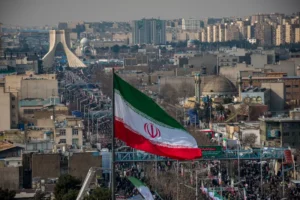
The situation involving Iran is serious, but a lot of the claims circulating online are exaggerated or missing important context. Here’s a straightforward breakdown of what’s real, what’s rumor, and what people should realistically expect moving forward, based on reporting from outlets like Reuters, the Associated Press, and statements from international organizations including the United Nations and the International Atomic Energy Agency.
“World War III has started.”
This is one of the most common phrases circulating online, but it’s not an accurate description of the situation. What’s happening is a military escalation involving Iran, the United States, and Israel, including targeted strikes and retaliation. According to reporting from the Associated Press and Reuters, the attacks have focused largely on military infrastructure and strategic targets rather than broad warfare between multiple global powers. A world war would involve many more countries directly entering combat. Right now, analysts and international organizations are describing the situation as a serious regional conflict with global implications, not a global war.
“There’s a nuclear disaster happening.”
Some posts online have claimed that nuclear facilities in Iran have been destroyed or that
radiation is spreading across the region. The International Atomic Energy Agency, which
monitors nuclear facilities worldwide, has said it has not detected dangerous radiation levels spreading beyond Iranian monitoring sites. The agency has acknowledged reports of damage near certain facilities but has emphasized that this does not automatically mean a nuclear meltdown or widespread radiation release. These updates have been reported by outlets including Reuters and PBS NewsHour.
“The U.S. is about to start a draft.”
Whenever international conflict makes headlines, rumors about a military draft tend to spread quickly online. However, there has been no official announcement from the U.S. government indicating that a draft is being considered. According to statements reported by major outlets such as the Associated Press and defense briefings covered by Reuters, U.S. operations currently rely on active-duty forces and reserves. Military analysts frequently note that modern U.S. military strategy rarely requires reinstating conscription. “Everything is completely under control.”
This claim can also be misleading. While some rumors exaggerate the situation, it would also be inaccurate to say the conflict has no global impact. One of the biggest concerns experts are watching is the Strait of Hormuz, a narrow shipping route between Iran and Oman that carries roughly one-fifth of the world’s oil supply. According to reporting from Reuters and maritime industry coverage from Lloyd’s List, shipping disruptions or increased military activity in this region can affect global oil prices and supply chains. That economic ripple effect is something people should actually be paying attention to, even if they are far from the conflict itself.
Another factor experts are monitoring is whether the conflict spreads beyond the current
participants. Emergency discussions at the United Nations Security Council have focused
heavily on preventing escalation and encouraging diplomatic solutions. Organizations like the International Crisis Group and UN officials have warned that a wider regional conflict would carry significant humanitarian and economic consequences.
For now, the most realistic expectation is continued tension, possible back-and-forth strikes, and heavy diplomatic pressure from international leaders trying to prevent the situation from expanding further. For students trying to follow the news, the biggest takeaway is simple: slow down before sharing information. Viral posts often move faster than verified reporting, and dramatic headlines spread more quickly than careful updates. The situation is serious, but it’s also evolving. Paying attention to credible reporting from outlets like Reuters, the Associated Press, and statements from organizations such as the United Nations and the International Atomic Energy Agency is the best way to understand what’s actually happening without getting pulled into online panic.